NETWORK TV


INDIE FILM


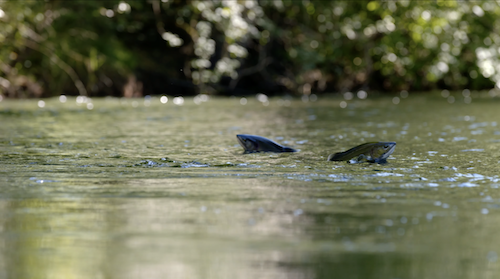
Ten years after the largest dam removal in history—on the Elwha River, in Washington State—scientists are chronicling an inspiring story of ecological rebirth. Recovering salmon populations are transferring critical nutrients from the ocean into the forests along the Elwha’s banks, enriching the entire ecosystem. The Elwha’s revival is encouraging advocates to push for the removal of many larger dams in the region, and in the rest of the world.
For more info on the series, Wild Hope, visit: wildhope.tv
Co-Executive Producer & Writer: Matt Hill
Narrator: Andia Winslow
Directors of Photography: Andy Maser & Ben Hamilton
Editor: Xuan Vu
Airdate on Nature on PBS: Aug 28, 2023
Part2 Pictures & HHMI Tangled Bank Studios © 2023
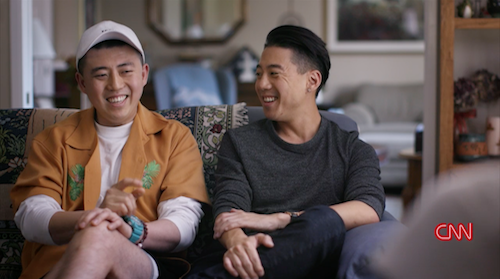
Identical twins account for just four in every 1,000 births in America—but are these uncommon siblings so different from the rest of us? Lisa Ling learns just how complicated that answer can be when she meets identical twin brothers who were separated at birth and finally reunited decades later.
For more info on the series, This Is Life with Lisa Ling, visit: cnn.com/shows/this-is-life-with-lisa-ling
Executive Producers: Lisa Ling, Amy Bucher, & David Shadrack-Smith
Producer/Director: Darcy Dennett
Director of Photography: Peter Hutchens, Jeff Hutchens, & Nora Ballard
Editors: Dena Mermelstein & Xuan Vu
Airdate on CNN: Oct 27, 2019
Part2 Pictures © 2019
Lisa meets two different African American Muslim communities and learns that Islam has had a long history in America as well as the power of Islam to reshape lives in the black community.
For more info on the series, This Is Life with Lisa Ling, visit: cnn.com/shows/this-is-life-with-lisa-ling
Executive Producers: Lisa Ling, Amy Bucher, & David Shadrack-Smith
Producer/Director: Heidi Burke
Director of Photography: Omar Mullick
Editor: Xuan Vu
Part2 Pictures © 2017
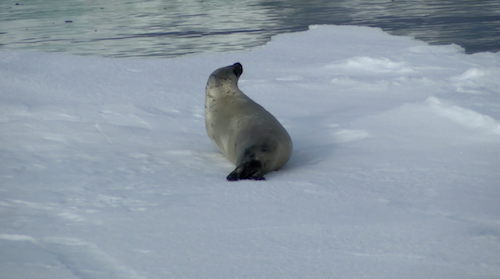
Ocean Warriors weaves stories of courage and conflict, from the Antarctic's remote Southern Ocean to the coral reefs of Tanzania and the vast tuna fisheries of the Western Pacific.
Director: Mark Benjamin
Senior Producer: Christopher Bryson
Director of Photography: Ben Logan
Editor: Peter Schmuhl
Finishing Editor: Xuan Vu
Vulcan Productions © 2016
A family torn apart by the effects of PTSD are saved by virtual reality. Season premiere episode.
For more info on the series, Dark Net, visit: sho.com/dark-net
Producer & Writer: Allison Koch
Director of Photography: Nora Ballard
Editor: Xuan Vu
Music: Justin Melland
Airdate: April 6, 2017
Part2 Pictures © 2017
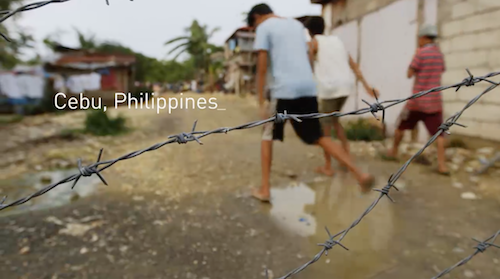
"Exploit", the third episode on the premiere season of Showtime's Dark Net series, exposes the terrible crime of child pornography and reveals the roots of pedophilia.
A review from the Hollywood Reporter says, "[I]n the especially wrenching episode three, the series tackles the terrible ubiquitousness of child pornography on the deep web, looking at both the exploiters (mostly Western men) and the exploited — in this case the residents of a village in the Philippines where selling your children for virtual sex is a tacitly accepted practice due to how lucrative it can be. It's as if Dark Net wants us to be simultaneously repelled and seduced by everything we see, a simulacrum of the very emotions the Internet often stirs in its users."
For more info on the series, Dark Net, visit: sho.com/dark-net
Director & Writer: Billy Shebar
Producers: France Costrel, Jenny Kubo, & Billy Shebar
Directors of Photography: Peter Hutchins & Giuseppe Malpasso
Editor: Xuan Vu
Music: Justin Melland
Airdate: February 4, 2016
Part2 Pictures © 2016
American suburbs are becoming more diverse, but the “exurbs” that surround them remain overwhelmingly white. In this half-hour episode on PBS's America by the Numbers with Maria Hinojosa, we visit Coeur d’Alene, Idaho— a town that successfully ousted the Aryan Nations in 2000, but remains overwhelmingly white.
For the full episode, please click here and confirm your local PBS station.
For more info on the series, America by the Numbers, visit: americabythenumbers.org
Director & Producer: Billy Shebar
Director of Photography: Jonathan Furmanski
Editor: Xuan Vu
Music by: Wendy Blackstone
Airdate on WORLD: Oct 16, 2014
Airdate on PBS Weekend: Oct 18, 2014
Futuro Media Group © 2014
The steamship Sultana exploded without warning one night in 1865, killing 1,800 people. The premiere episode of the final season.
For more info on the series, History Detectives, visit: pbs.org/opb/historydetectives
Producer/Director: Billy Shebar
Directors of Photography: Teodoro Maniaci & John Murphy
Editors: Trevor Ristow & Xuan Vu
Lion Television © 2014
This feature documentary pulls back the ivy curtain to reveal the shocking scandal of how Ivy League admissions really work. The real scandal isn’t a few students bribing their way to a spot, but how the entire system is designed to keep rich kids in and poor kids out, all while being subsidized by you, the taxpayer.
As the wealth of these elite institutions grow by the billions per year, enrollments stagnate and tuition soars. Interviews with low income students, deans of admissions, and shocking financial investigations force the question: Why do we continue to invest so much in institutions that invest so little back in us?
For more info on the film, visit: exclusionu.com
Director: Ginger Gentile
Producer: Veronica Nickel
Director of Photography: Miriam Dwedar
Story Producer & Lead Editor: Xuan Vu
Editor: Cheree Dillon
Cora Media © 2023
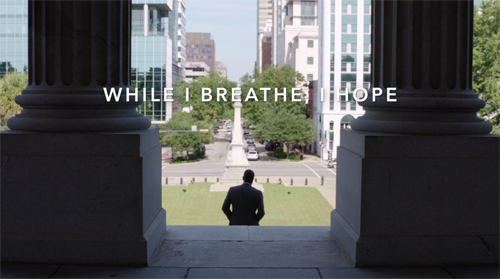
This Southeast Emmy-winning feature-length documentary follows the story of Bakari Sellers and what it means to be young, black, and Democrat in the American South today.
For more info, please visit the film's website: bakarisellersdocumentary.com
Directed by: Emily Harrold
Produced by: Emily Harrold, Xuan Vu, Diane Robertson, & Lauren Franklin
Executive Producers: Marco Williams, Jedd Canty, Charlemagne Tha God, Karen Kinney
Directors of Photography: Alexander J. Hufschmid, Kyle I. Kelley, Kelley Creedon
Editor: Xuan Vu
TRT: Feature-Length / Color / Lynwood Pictures © 2018
Commissioned by the International Labor Organization, this film explores the stories of female migrant workers, the dangers and challenges they encounter, and the tips and skills needed to navigate this new avenue of financial independence & empowerment for the women of Nepal.
Director/Producer: Julie Bridgham
Director of Photography: Dinesh Deokota
Editor: Dinesh Deokota
Finishing Editor: Xuan Vu
ILO © 2016
This feature documentary follows Can Truong and the challenges he faces as a Vietnam War refugee suffering from depression and bipolar disorder.
For more info about the film, please visit: amongourkin.org
Director & Producer: Pearl Park
Editor & Associate Producer: Xuan Vu
Light Fish Arts LLC © 2012
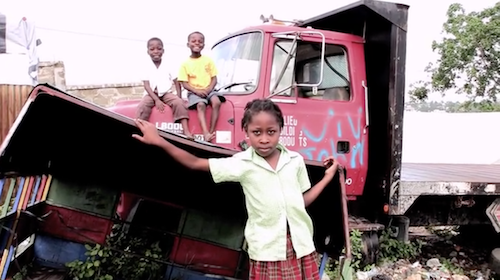
Holy Crap! is a short documentary about SOIL, a non-profit organization working in Haiti to convert human waste into rich, viable fertilizer using dry, composting toilets.
Director & Producer: Jennifer Benorden
Director of Photography: Tamara Gurbis
Editor: Xuan Vu
TRT: 03:35
© 2011 by Jennifer Benorden
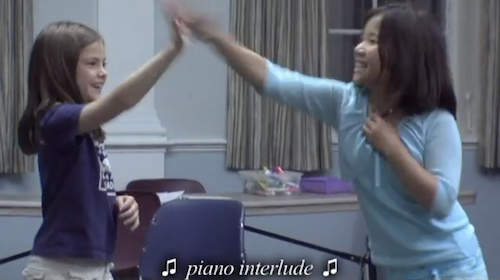
This short documentary follows a stage troupe of first through third graders in Brookline, MA, as they prepare for a major stage production while wrestling with childhood social issues. When Louise, a deaf child, joins the hearing children in the production, they learn the values of acceptance, communication, and friendship.
View this film on CultureUnplugged.com
Directors: Xuan Vu & Michael Wertlieb
Director of Photography: Michael Wertlieb
Editor: Xuan Vu
Music by: Mica Richards
Samara Films © 2011
This feature documentary follows Native Americans throughout the country as they work to strengthen their voting rights and increase minority participation in elections.
Watch the whole film here. For more info, please visit: Dorothy Fadiman
Director/Producer: Dorothy Fadiman
Narrator: Peter Coyote
Associate Producers: Xuan Vu & Justine Strayhorn
Cinematographers: Matt Luotto, Rob Althouse, & Alice Fernando-Ahmie
Editors: Xuan Vu & Matt Luotto
TRT: 41:30
Concentric Media © 2010
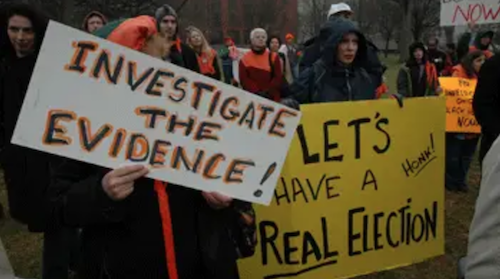
This feature-length documentary brings together behind-the-scenes perspectives from the U.S. presidential election of 2004, plus startling stories from key races in 1996, 2000, 2002 and 2006. Unbiased and nonpartisan, the film sheds light on a decade of vote counts that don't match votes cast: uncounted ballots, vote switching, under-votes and many other examples of election totals that warrant serious investigation.
For more info or to watch the full film, please visit: stealingamericathemovie.org
Director/Producer: Dorothy Fadiman
Narrator: Peter Coyote
Cinematographers: Matt Luotto & Rick Keller
Editors: Katie Larkin, Matt Luotto, Xuan Vu & Ekta Bansal Bhargava
TRT: 90:00
Concentric Media © 2008
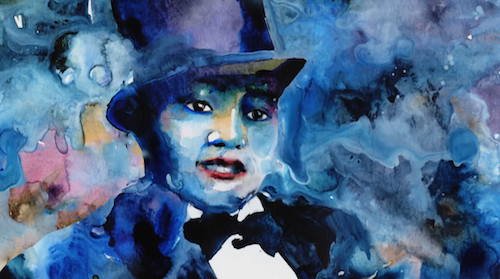
"Unladylike2020" is an online animated doc series of 26 short films for PBS' American Masters, profiling diverse and little-known American women from the turn of the 20th century and the contemporary women who follow in their footsteps. This is one of the ten doc shorts I edited for the series, about Gladys Bentley, a bold and talented musician/performer who defied both race and gender boundaries and made an unrecognized impact on American music and culture.
For more info or to watch the rest of the series, please visit Unladylike2020.com.
Executive Producers: Charlotte Mangin & Sandy Rattley
Director/Producer: Charlotte Mangin
Editor: Xuan Vu
Unladylike2020 Productions © 2020
SurvivorNet is a comprehensive website for cancer patients, offering resources such as informational articles and videos featuring interviews with current patients, survivors, and -- perhaps most valuable -- doctors that most patients would not otherwise have access to, such as physicians from the Mayo Clinic and the Dana-Farber Cancer Institute. This mini-doc, about one breast cancer survivor and another Wall-Street-trader-turned-medical-tattoo-artist, was one such informational video made for SurvivorNet's website.
Executive Producer: Steve Alperin
Director/Producer: Alex Buxton
Editor: Xuan Vu
SurvivorNet © 2019
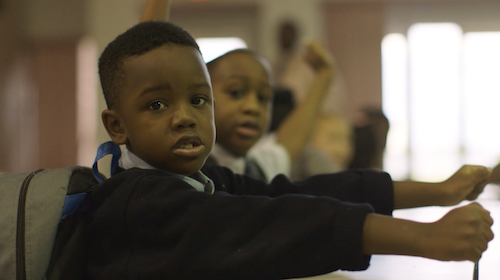
The mission of University Preparatory Academy in Pinellas County is to provide students with the academic, leadership, and social skills that will enable them to attend and graduate from an institution of higher education.
Executive Producer: James Lawler
Director/Producer: Blake Ashman Kipervaser
Director of Photography: Axel Baumann
Editor: Xuan Vu
Original Music by: Gingger Shankar
Osmosis Films © 2015
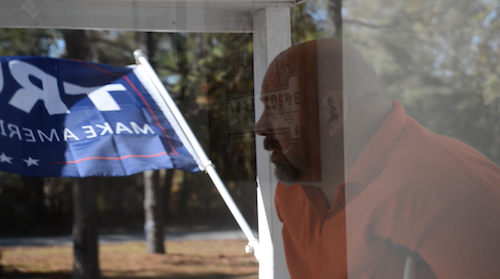
Part of the America Heard web series, a collaborative effort by indie filmmakers from across the country who attempt to understand the other side and bridge the partisan divide.
We meet Bo McBratnie of Orangeburg, South Carolina, in the weeks after the 2016 election. He offers straight talk and explains why he voted for Donald Trump.
To check out other films in the series, please visit: americaheard.com
Director/Producer: Emily Harrold
Director of Photography: Kelly Creedon
Editor: Xuan Vu
America Heard © 2017
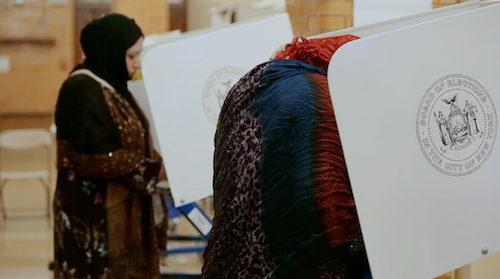
Short promotional video for PBS's America by the Numbers with Maria Hinojosa: Learn how Asian American, Black Millennial, Arab American, and Latino Evangelical voters are exerting their growing strength and influence in this 2016 election special about power and politics, demographics and democracy.
Executive Producer & Anchor: Maria Hinojosa
Director/Producer: Charlotte Mangin & Titi Yu
Director of Photography: Paul d eLumen
Editor: Sonia Gonzalez-Martinez
Promo Editor: Xuan Vu
Original Music by: Wendy Blackstone
Airdate: September 6, 2016
Futuro Media Group © 2016
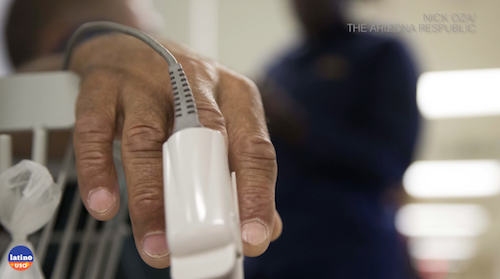
José de Jesús, a 31-year-old Mexican immigrant, was found dead in his cell after just three days in immigration detention.
Find out more at latinousa.org/josedejesus
Executive Producer: Maria Hinojosa
Producers: Fernanda Echávarri & Marlon Bishop
Editor: Xuan Vu
Original Music by: Noam Hassenfeld
Latino USA © 2016
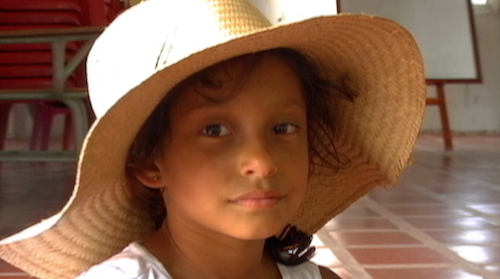
This short fundraising video helped to raise almost $2,000 for La Fundación Palmitas Unidas, a youth foundation for abused, abandoned, and starving children located in the small, remote town of Salento, Colombia.
Directed by: Xuan Vu
Produced by: Xuan Vu & Monserrat Corsino
Director of Photography: Xuan Vu
Editor: Xuan Vu
TRT: 2:21 / Color / Zixin Films © 2010
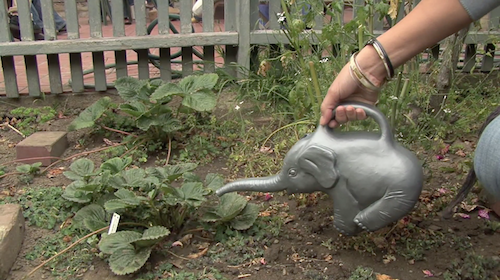
WINNER of the 2009 "I Love SF Water" video contest, a local effort to promote water conservation in the San Francisco Bay Area!
Director & Producer: Alexis van Gelder
Director of Photography: Lisa Konczal
Editor: Xuan Vu
Music by: Automae
Starring: Julianne Yates
Alexis van Gelder & Team © 2009